Identity Theft During FHA Loan Process: How It Affects Homebuyers

Buying a home with an FHA loan should be exciting, but identity theft can quickly become a nightmare. If someone steals your personal information during the mortgage process, it can delay your closing, derail your loan approval, or even destroy your credit profile. In this post, we’ll explain the effects of identity theft during FHA loan process, what warning signs to look out for, and how to protect yourself before it’s too late.
What Is Identity Theft in the Mortgage Process?
It’s called identity theft when someone steals your personal information like your Social Security number, name, or address to open unauthorized accounts or loans. If identity theft during FHA loan process happens, it can cause a flagged credit report, a lower credit score, suspicious inquiries or unknown accounts, and fraud alerts that freeze your credit. Mortgage underwriters rely heavily on your credit profile to approve your FHA loan. If your credit report shows signs of identity theft, your loan may be delayed or worse, denied until it’s cleared.
Protect Your FHA Loan from Identity Theft—Take Action Today
Stay ahead of identity theft risks and keep your FHA loan process on track.
How Identity Theft Affects FHA Loan Approval
Identity theft during FHA loan process can seriously disrupt your approval. It may lead to a sudden drop in your credit score, unauthorized accounts appearing on your credit report, and delays in underwriting while the fraud is investigated. Here’s the effects of identity theft during FHA loan process:
- Loan Suspensions
Your lender can halt the underwriting process until the credit issues are resolved. - Credit Score Decline
If a burglar incurs debt in your name, your credit score can plummet, causing you to be no longer eligible for the FHA minimum score requirements (usually 580+). - Fraud Alerts Trigger Red Flags
Suppose your credit report has a fraud alert or a freeze. In that case, lenders must take extra steps to verify your identity, which delays the process. - Disputed Accounts May Stall Approval
Accounts under dispute must be resolved or excluded before the loan can close.
Signs of Identity Theft During FHA Loan Process
Be vigilant for signs of identity theft during FHA loan process, as it can delay or derail your mortgage approval. Watch for unfamiliar accounts or credit inquiries on your credit report, unexpected credit denials, bills or collection notices for accounts you didn’t open, missing mail tied to financial accounts, and errors in your personal information. Spotting these red flags early can help you act fast and protect your FHA loan approval.
What To Do If You’re a Victim of Identity Theft During the FHA Loan Process
If you suspect identity theft during the home loan process, act fast. First, alert your loan officer immediately. They may be able to pause your file while you sort things out. Then, request your credit reports from all three bureaus (Experian, Equifax, and TransUnion) through AnnualCreditReport.com to check for suspicious activity. Set up a fraud alert or temporarily freeze your credit to stop further unauthorized activity, and dispute any accounts you don’t recognize. Submit an identity theft report through the FTC’s official website at IdentityTheft.gov, and gather all documentation such as police reports, FTC complaints, and proof of disputes to share with your lender so the underwriter can review and continue processing your loan.
Can You Still Close on Time After Identity Theft?
Yes, but only if the situation is handled quickly and with clear documentation. The timeline depends on how fast you identify the problem, whether the credit bureaus update your report in time, or whether the fraud impacted your credit score. If the fraud caused your credit score to fall below FHA requirements, you may need to temporarily delay your closing or switch to a non-QM loan option.
How to Prevent Identity Theft During the Home Loan Process
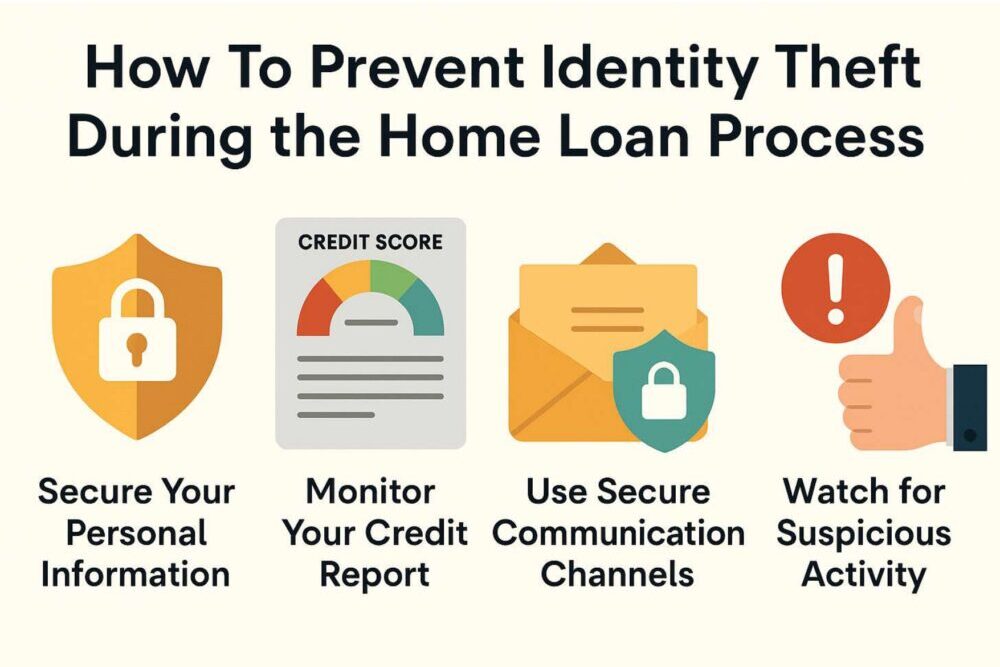
Stopping identity theft within the home loan process starts with keeping your personal information protected. Mail documents securely, encrypted in channels, and not using public Wi-Fi. Monitor your credit report regularly for unknown activity. If needed, set fraud alerts or credit freezes, and be cautious of phishing emails and suspicious phone calls that will try to deceive you into giving out personal information.. These simple precautions will safeguard your identity and your mortgage approval process smooth and trouble-free.
Identity Theft During Your FHA Loan Process? Protect Yourself Now
Understand the steps to take if you suspect identity theft while applying for your FHA loan.
What To Do If You Spot an Identity Theft During FHA Loan Process?
Let’s say you discover evidence of identity theft during FHA loan process, in this situation, it’s important to act fast to limit the damage and avoid closing delays:
- Report the Fraud: Go to IdentityTheft.gov and submit a formal report to the Federal Trade Commission (FTC).
- Place a Fraud Alert: Contact one of the three major credit bureaus—Equifax, Experian, or TransUnion—to add a fraud alert to your credit report. They will notify the other two agencies.
- Check Your Credit Reports: Request credit reports from all three bureaus at AnnualCreditReport.com and review them carefully for errors or unauthorized accounts.
- Notify Your FHA Lender: Let your loan officer or mortgage broker know about the identity theft. Share any documentation, such as your FTC report or proof of disputes, to help them protect your loan file.
What Happens If Identity Theft Causes FHA Loan Denial?
If your loan gets denied due to unresolved identity theft, you can reapply after fixing your credit. You can also consider alternative loan programs such as non-QM or no-doc loans and work with a lender like Gustan Cho Associates, which specializes in identity theft during FHA loan process and helping borrowers overcome credit challenges.
The Role of the Lender
During the FHA loan process, the lender is critical if identity theft is suspected. Once notified, the lender may pause the loan application to prevent further issues and help protect your approval. They will review any documentation you provide such as fraud reports, police records, or credit bureau disputes, and work closely with underwriters to assess the impact. A responsive lender can guide you through the following steps, ensure your file remains active when possible, and help you resume the mortgage process once the identity theft is resolved.
Where to Get Help If You’re a Victim of Identity Theft
Should you fall victim to identity theft during FHA loan process, there are some credible resources that can help you recover. First, go to the Federal Trade Commission website at IdentityTheft.gov and file a report with a personal recovery plan. You may also report to the major credit reporting agencies which are Equifax, Experian, and TransUnion, to place fraud alerts and dispute errors. For legal guidance or further counsel, state attorney general offices and state and local consumer protection agencies may also assist. These resources are important to help eliminate the barrier from your record and proceed with your FHA loan.
How Identity Theft Insurance Can Help with the FHA Loan Process
Identity theft insurance is a worthwhile layer of protection during the FHA loan process, especially if your personal information is stolen. Identity theft insurance pays for the costs of repairing your identity, such as attorney fees, lost wages, and credit report disputing fees.
Identity theft insurance does not stop identity theft but does assist in limiting the financial and emotional burden that typically comes with it.
Identity theft during FHA loan process can result in underwriting delay, denial of the loan, or fraudulent activity on your credit report. Identity theft insurance can give you dedicated case support, faster resolution, and reimbursement for out-of-pocket charges, keeping you back on track towards homeownership. If you are applying for an FHA loan, determine if identity theft insurance is a good fit for you and offers peace of mind throughout the mortgage experience.
What Victims of Identity Theft Should Expect During the FHA Loan Process
If you’re dealing with identity theft during FHA loan process, here’s what you should expect:
- Loan Delays or Suspension: Your FHA loan file may be temporarily paused while the identity theft issue is investigated and resolved.
- Increased Lender Scrutiny: Lenders and underwriters will closely examine your credit report, income, and financial documents for inconsistencies or red flags.
- Required Documentation: You’ll need to provide supporting documents such as a Federal Trade Commission (FTC) report from IdentityTheft.gov , a police report documenting the identity theft, and letters of dispute or confirmation from the credit bureaus
- Reverification of Credit: Once you’ve corrected your credit report, the lender may request an updated credit pull to confirm the fraudulent data has been removed.
- Impact on Credit Score: If identity theft caused a drop in your score or added derogatory accounts, you may need to wait until your credit is restored to FHA-eligible levels.
- Extra Communication With Lender: Ongoing discussions with your loan officer will be necessary to keep the process moving and ensure all documents are reviewed promptly.
- Potential Reapplication: In some cases, you may need to reapply for the FHA loan once your identity and credit are fully restored.
Worried About Identity Theft During Your FHA Loan Process?
Learn how to protect yourself and your loan approval from identity theft.
Final Thoughts: Stay Ahead of Identity Theft for a Smooth FHA Closing
Identity theft during FHA loan process is frustrating. But if you get to it early, fully cooperate with your lender, and act fast, you can still qualify for an FHA loan and close on your dream home. At Gustan Cho Associates, we help borrowers who’ve been rejected elsewhere even those rebuilding from credit fraud.
Frequently Asked Questions (FAQs): Identity Theft During FHA Loan Process
1. Can identity theft cause a mortgage denial?
Yes, identity theft during FHA loan process cam cause mortgage denial. If your credit report shows fraudulent activity that cannot be resolved quickly, the lender may deny the loan.
2. What should I do if I see unknown accounts on my credit report?
Immediately report them to all three credit bureaus and file a fraud report at IdentityTheft.gov.
3. Can I still qualify for FHA loans if my credit was fixed after identity theft?
Yes, you can once the fraud is resolved and your credit is clean.
4. Does identity theft delay FHA loan closings?
Identity theft during FHA loan process can delay closings especially if discovered during underwriting. Depending on the severity, resolving fraud may take days or weeks.
5. Can I get FHA manual underwriting after identity theft?
Some lenders offer manual underwriting for borrowers with extenuating circumstances like fraud or credit errors.
6. How can I protect my credit before applying for an FHA loan?
Monitor your credit, avoid public Wi-Fi for sensitive tasks, and check your credit report for errors before applying.
7. What documentation do I need to prove identity theft?
To prove identity theft during FHA loan process, you’ll need to provide an FTC report, police report, letters from creditors, and documentation from the credit bureaus showing corrections.
8. Does identity theft impact my FHA down payment?
No, identity theft during FHA loan process does not impact your down payment. It only affects your credit profile, not your down payment requirement. FHA still allows 3.5% down with a 580+ score.
9. Can lenders detect identity theft before I do?
Yes, they can detect identity theft during FHA loan process. Lenders may flag inconsistencies in your file or alert you to credit report issues you haven’t seen.
10. Should I freeze my credit before applying for an FHA loan?
Not during the loan process, as lenders need access to your credit. Only freeze it after resolving identity theft or post-closing.
Ready to Buy a Home After Identity Theft?
If you need help with identity theft during FHA loan process, feel free to contact GCA Mortgage Group by calling us at at 800-900-8569 or text us for a faster response. You can also email us at alex@gustancho.com or click below to start your FHA loan approval even if you’ve been denied elsewhere. Our expert Loan Officers are available even during weekends and holidays! Don’t let credit fraud steal your dream of homeownership.
Identity Theft Can Impact Your FHA Loan—Here’s What to Do
Find out how to prevent and resolve identity theft issues during your FHA loan application.