FHA Loans vs VA Loans

When it comes to government-backed mortgages, FHA and VA loans remain top choices for many homebuyers. These loan programs make homeownership more accessible for homebuyers who may not qualify under conventional lending criteria due to credit, income, or down payment limitations. But what’s the difference between FHA loans vs VA loans? Which one is better for your financial situation in 2025? This guide simplifies the differences you need to know in eligibility, credit score requirements, down payment rules, mortgage insurance, and more. Let’s compare FHA loans vs VA loans side by side to help you make an informed decision.
What Are FHA Loans?
FHA loans are mortgages guaranteed by the Federal Housing Administration, tailored to help first-time homebuyers and borrowers with less-than-perfect credit. With more lenient guidelines than conventional loans, FHA loans are widely used across the country. Key Features of FHA Loans are credit scores between 500–579 allowed with 10% down and for 3.5% down, a minimum credit score of 580 is required. Upfront and annual mortgage insurance required. It is available for single-family to four-unit primary residences and to all U.S. citizens and legal residents.
What Are VA Loans?
VA loans are backed by the U.S. Department of Veterans Affairs and available exclusively to eligible veterans, some surviving spouses, and active-duty service members. VA loans are known for offering flexible credit guidelines, zero down payment, and no mortgage insurance.
FHA vs VA Loans: Which One Fits You Best?
Compare down payments, credit score rules, and benefits side-by-side.
Key Features of VA Loans:
- 0% down payment (100% financing available)
- No monthly mortgage insurance (PMI)
- Flexible credit score requirements (typically 580+)
- No loan limits for qualified borrowers
- Must meet VA eligibility and provide Certificate of Eligibility (COE)
FHA Loans vs VA Loans: Side-by-Side Comparison
| Feature | FHA Loans | VA Loans |
|---|---|---|
| Eligibility | Open to all borrowers | Only for eligible military members, veterans, and surviving spouses |
| Down Payment | 3.5% (580+ credit score) | 0% down (100% financing) |
| Minimum Credit Score | 500 with 10% down580 with 3.5% down | Typically 580 (some lenders allow lower with strong profile) |
| Mortgage Insurance | Required (upfront + monthly) | Not required |
| Loan Limits (2025) | Up to $498,257 (standard limits) | No official cap; lender limits may apply |
| Property Type | Primary residence only | Primary residence only |
| Funding Fee | No funding fee | Yes, unless exempt (paid upfront or rolled into loan) |
| Manual Underwriting | Allowed with compensating factors | Allowed with residual income requirements |
| Assumable | Yes | Yes |
FHA Loans vs VA Loans: Down Payment Comparison
One of the biggest differences between FHA loans vs VA loans is the down payment requirement. For FHA Loans, you need at least 3.5% down if you have a credit score of 580 or higher. With a 500–579 score, a 10% down payment is required. For VA Loans, no down payment required. This is one of the biggest benefits of VA loans 100% financing with no mortgage insurance.
FHA Loans vs VA Loans: Mortgage Insurance Requirements
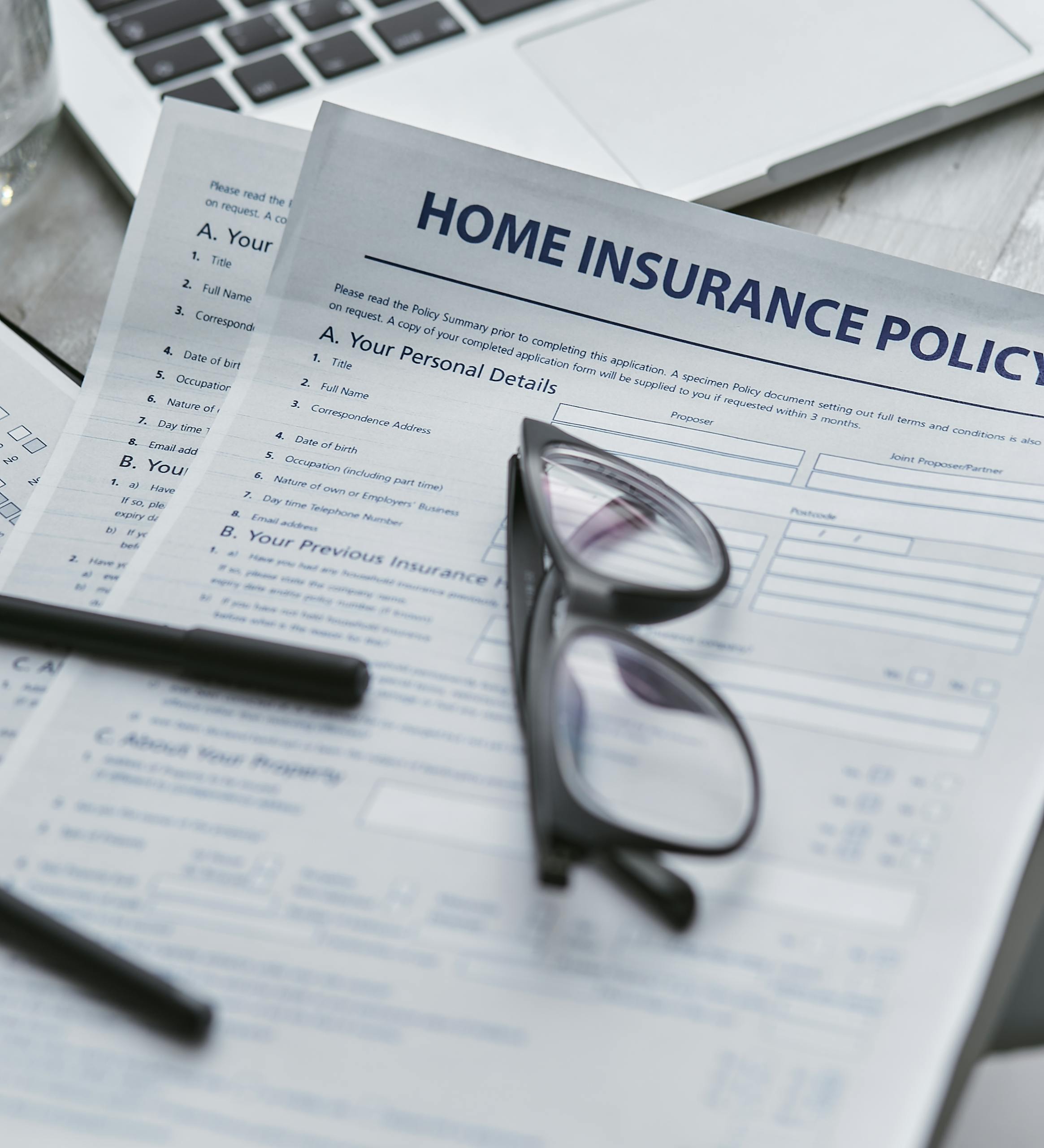
When comparing FHA loans vs VA loans, this is where VA wins hands down as it has no monthly mortgage insurance means lower monthly payments for eligible borrowers.
FHA Loans:
- (UFMIP) Upfront Mortgage Insurance Premium: 1.75% of the total loan amount
- Annual MIP: 0.55% (typical) added to monthly payment
- Required for the life of the loan if you put down less than 10%
VA Loans:
- No monthly mortgage insurance (PMI)
- VA Funding Fee: One-time fee (ranges from 1.25% to 3.3%)
- Can be eliminated for veterans with service-connected disabilities
FHA Loans vs VA Loans: Credit Score Requirements
If you’re comparing FHA loans vs VA loans based on credit scores, both allow for low scores, but VA loans offer more flexibility if you meet military eligibility.
FHA Loan Credit Score Guidelines (2025):
- 580+ for 3.5% down
- 500–579 with 10% down
- Manual underwriting available with compensating factors
VA Loan Credit Score Guidelines (2025):
- No official minimum by the VA, but most lenders require 580+
- Manual underwriting allowed
- Flexible with past collections or bankruptcy, depending on payment history and residual income
FHA Loans vs VA Loans: Debt-to-Income Ratio (DTI) Guidelines
For FHA Loans, the maximum DTI is at 43%. It can go up to 56.9% with strong compensating factors. Manual underwriting caps at 31% front-end / 43% back-end. For VA Loans, it has no official DTI cap, but most lenders prefer below 50%. Loans with higher DTI require strong residual income. Manual underwriting focuses more on net disposable income. The VA loan program evaluates DTI more holistically by focusing on residual income, while FHA loans are more rigid with DTI thresholds unless compensating factors are present.
FHA Loans vs VA Loans: Property Types Allowed
- FHA Loans: 1- to 4-unit primary residences only. It’s possible to own a multi-unit building while living in one unit.
- VA Loans: Also limited to primary residences, but some flexibility for multi-unit properties if the veteran occupies one unit.
Investment and vacation properties do not qualify for either program. For those, you’d need a conventional or non-QM loan.
Are You Eligible for a VA Loan or Should You Go FHA?
We’ll help you weigh your options and choose the best path to homeownership.
Which Is Better: FHA Loans vs VA Loans
Wondering which is better between FHA loans and VA loans? It really depends on your situation. Choose FHA Loan If you’re not eligible for a VA loan, you have a credit score below 620, you can afford a 3.5% to 10% down payment, and you want to buy a 2–4 unit primary residence. However, choose VA Loan If you’re an eligible veteran or service member, you want zero down and no PMI, you want flexible DTI and credit requirements, and you’re exempt from the funding fee.
FHA Loans vs VA Loans: Application Process
The loan process is fairly similar for both programs:
- Get Pre-Approved with a lender that offers both FHA and VA loans
- Submit Income & Credit Documentation
- Order VA Certificate of Eligibility (COE) if applying for a VA loan
- Find a home and make an offer
- Appraisal ordered (FHA or VA)
- Underwriting review
- Get clear to close and sign loan documents
Choosing a lender familiar with the key differences between FHA loans vs VA loans can speed up your approval process and avoid surprises.
How The Automated Underwriting System Works on FHA and VA Loans
The Automated Underwriting System (AUS) is a digital tool used by lenders to assess a borrower’s risk and determine loan eligibility for FHA and VA loans. It reviews key factors like credit score, income, debt-to-income ratio, and asset documentation. For FHA loans, the system used is typically FHA TOTAL Scorecard through Desktop Underwriter (DU) or Loan Prospector (LP). For VA loans, DU or LP is also used, depending on the lender. A favorable AUS result, such as “Approve/Eligible,” means the borrower meets standard guidelines and may qualify for streamlined processing. If the AUS issues a “Refer” finding, the loan may need to go through manual underwriting with additional documentation and compensating factors.
Results of The Automated Underwriting System on FHA and VA Loans
Borrowers applying for FHA or VA loans via the Automated Underwriting System (AUS) can receive three possible results:
- Approve/Eligible – The AUS automatically approves the loan, indicating it meets agency criteria. This decision enables a faster approval process, provided all stated conditions (income, assets, credit) are documented.
- Refer/Eligible – The system signals that the loan isn’t fully qualified for automated approval but remains eligible for manual underwriting. A lender reviews compensating factors—like additional reserves, larger down payment, or stable income—to determine if the loan can still be approved.
- Refer with Caution – This outcome means the borrower does not meet guidelines, and the loan is usually declined—it cannot proceed to manual underwriting.
How AUS findings impact FHA and VA loans:
Both FHA and VA programs allow manual underwriting after a “Refer/Eligible” result a flexibility that many conventional loans don’t offer. An Approve/Eligible finding means mortgage officers typically only need to verify documentation, no further in-depth review required. A Refer/Eligible finding isn’t a denial. It simply indicates more scrutiny is needed. Many borrowers get approved this way especially if they can show extra reserves, consistent income history, or other positive factors. The bottom line is AUS helps speed up loan decisions, but if your application yields a “Refer/Eligible” result, FHA or VA guidelines allow a second look through manual underwriting. This gives borrowers a second chance to qualify making FHA and VA loans more flexible and accessible than conventional financing.
VA and FHA Manual Underwriting Guidelines
VA and FHA manual underwriting guidelines apply when a loan doesn’t receive an automated approval through the AUS system. Instead of relying solely on algorithms, a human underwriter reviews the borrower’s full financial profile. Both VA and FHA allow manual underwriting with more lenient credit standards, making them ideal for borrowers with lower credit scores, recent credit events, or limited credit history. However, stricter rules apply such as lower debt-to-income (DTI) ratios and the need for strong compensating factors like a large down payment, verified reserves, or stable long-term employment. Manual underwriting offers a path to approval when automated systems fall short.
The Main Reason Why Choose An FHA Over A VA Home Loan
Why choose an FHA over a VA home loan who is eligible for VA Loans. Why would they go with FHA Mortgages? There are instances where FHA AUS is more lenient than the VA AUS. FHA is more forgiving with higher balances of outstanding collections and charge-off accounts than the VA AUS. A borrower may get an automated underwriting system denial on the VA AUS but an approve/eligible per AUS with FHA. The VA does not allow non-occupant co-borrowers. The FHA does allow non-occupant co-borrowers who are related to the main borrower by law, marriage, and blood. Only married spouses can be co-borrowers on VA loans.
FHA vs VA: Understand the Key Differences Before You Apply
Learn how each program works and which one gets you the lowest cost.
Final Thoughts: FHA Loans vs VA Loans
Both FHA loans and VA loans offer flexible paths to homeownership in 2025. The best choice depends on your military status, financial profile, and long-term goals.
If you’re eligible for a VA loan, it’s almost always the better deal: no down payment, no PMI, and better long-term affordability.
If you’re not eligible for VA benefits, FHA loans are still one of the most accessible mortgage options on the market today.
Frequently Asked Questions: FHA Loans vs VA Loans
1. What’s the main difference between FHA loans vs VA loans?
The most significant difference between FHA loans vs VA loans is that FHA loans are available to anyone who qualifies. In contrast, VA loans are only available to eligible veterans, active-duty service personnel, and eligible widowed spouses. VA loans also don’t require a down payment, while FHA loans usually require 3.5% down.
2. Which loan is better: an FHA or a VA loan?
When comparing FHA loans vs VA loans, VA loans are usually better for those who qualify. VA loans have no mortgage insurance, no down payment, and often offer lower interest rates. FHA loans are a good option if you don’t meet VA eligibility but have low credit or limited funds for a down payment.
3. Do FHA loans vs VA loans require mortgage insurance?
Yes for FHA, no for VA. FHA loans include an upfront fee and monthly mortgage insurance payments (MIP). VA loans do not have MIP, but they do charge a one-time VA funding fee (which can be waived in some cases, like for disabled veterans).
4. What credit score do you need for FHA loans vs VA loans?
FHA loans accept credit scores starting at 500 with 10% down, or 580 with 3.5% down. VA loans don’t have a set minimum by the VA, but most lenders want at least a 580 to 620 credit score. Regarding credit flexibility, FHA loans and VA loans are both lenient. Still, FHA may have more flexibility with low credit.
5. How much do I need for a down payment on FHA loans vs VA loans?
FHA loan rules allow 3.5% down if your credit score meets or exceeds 580. VA loans typically don’t require any down payment, making them ideal for eligible borrowers who want to buy with zero down.
6. Which has lower monthly payments: FHA loans vs VA loans?
When comparing FHA loans vs VA loans, VA loans usually have lower monthly payments because they don’t include mortgage insurance. Even if FHA loans have a low rate, the monthly MIP adds extra cost.
7. Can I use FHA loans vs VA loans to buy a multi-unit property?
Yes, you can use both FHA loans vs VA loans to buy up to a 4-unit property as long as you live in one of the units. FHA loans vs VA loans both support owner-occupied multi-family homes, which is excellent for house hacking.
8. What are the DTI (debt-to-income) limits for FHA loans vs VA loans?
FHA loans usually cap DTI around 43% to 56.9% depending on your credit and compensating factors. VA loans don’t have a hard DTI cap, but most lenders prefer it under 41%. The key difference in FHA loans vs VA loans is that VA lenders focus more on residual income than DTI.
9. Can I refinance with FHA loans vs VA loans?
Yes, both programs offer easy refinance options. With FHA loans, you can do an FHA Streamline Refinance. With VA loans, you can do a VA IRRRL (Interest Rate Reduction Refinance Loan). Both options require no appraisal and limited documentation, but VA IRRRLs typically cost less.
10. Who should choose FHA loans vs VA loans?
Choose VA loans if you’re a veteran or active-duty member — it’s one of the best loan options out there. Choose FHA loans if you don’t qualify for VA but need a low down payment and more flexible credit guidelines. When comparing FHA loans vs VA loans, it depends on your eligibility and financial goals.
Are You Ready to Apply for an FHA or VA Loan?
At Gustan Cho Associates, we offer no lender overlays, flexible underwriting, manual approvals, and personalized guidance for both FHA and VA loan programs.
Whether you’re active-duty, a veteran, or a first-time buyer, we’re here to help you qualify even if you’ve been turned down elsewhere. Call us today at 800-900-8569 or text us for a faster response. Or email us at gcho@gustancho.com. The Team at Gustan Cho Associates is available 7 days a week, on evenings, weekends, and holidays.
Choosing Between FHA and VA Loans? We Make It Simple
We’ve helped thousands of homebuyers navigate the best government loan programs.