
How Interest Rates Affect the Housing Market

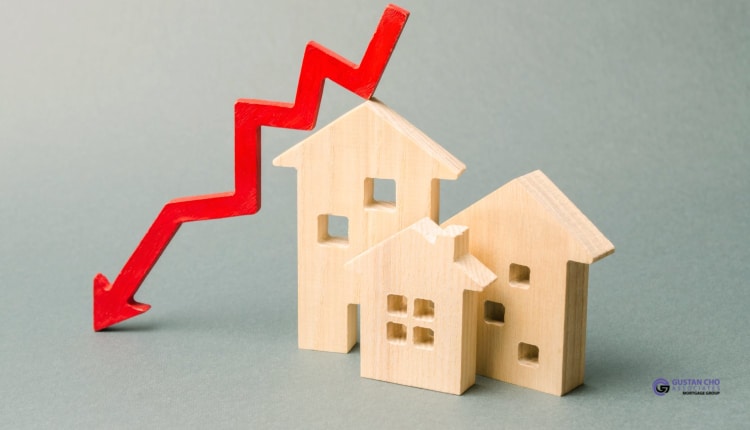
The connection between mortgage interest rates and the housing market has always played a vital role. When mortgage rate rise, monthly payments go up, affordability drops, and fewer buyers can qualify. When rates fall, borrowing becomes cheaper, demand rises, and home prices often increase. If you’re buying, selling, or refinancing a home in 2025, knowing how interest rates affect the housing market can save you thousands of dollars and help you make smarter decisions. In this guide, we’ll explain what rising and falling rates mean for homebuyers, sellers, and homeowners. We’ll also cover market predictions for 2025 and strategies to succeed no matter what rates do next
Inflation and the Housing Market
The federal reserve is a government body that does not increase interest rates searching for profit. The Federal Reserve Board raises interest rates in an attempt to lower inflation. Basic economics will tell you; that consumers spend less money when it costs more to borrow, which in theory, will lower inflationary pressures. While the short-term federal funds rate was at 0% during the height of the pandemic, the federal reserve has now raised the short-term federal funds rate to 1.5%.
Why Interest Rates Matter in the Housing Market?
Mortgage interest rates directly influence the cost of borrowing money to buy a home. When interest rates go up, monthly payments for mortgage go up too, making it harder for many buyers to afford a home. On the other hand, when rates fall, borrowing becomes more affordable, motivating more people to buy homes and enter the market. To truly grasp how interest rates affect the housing market in 2025, you need to understand the broader economic forces at play like inflation, job growth, consumer confidence, and government policy.
Wondering How Interest Rates Affect the Housing Market? We Break It Down
Rates rise and fall—but do you know how that affects your buying power? Talk to a Mortgage Pro About Today’s Rates and Your Options
What’s Happening With Interest Rates in 2025?
In 2025, the Federal Reserve is cautiously navigating a high-stakes balancing act. After aggressively raising rates in 2022 and 2023 to combat inflation, the Fed began easing rates slightly in late 2024 and early 2025. However, inflation remains sticky in many sectors, which keeps interest rates higher than the pre-pandemic average. Mortgage rates in 2025 are hovering between 6.25% and 7.25% for a 30-year fixed loan. Today’s rates are well above the lows we saw during the pandemic, and that change is pushing buyers and the investors to adjust their game plans. It’s playing a major role on how interest rates affect the housing market in 2025.
How Interest Rates Affect The Housing Market
Ever wonder how interest rates affect the housing market? High mortgage interest rates reduce buying power. For example:
- In 2021, a $400,000 mortgage at 3% had a payment of about $1,686/month (principal and interest).
- In 2025, that same loan at 7% costs around $2,661/month.
This increase in monthly payments means fewer people qualify for the same home price. As a result, many would-be buyers are settling for smaller homes or stepping away from the market altogether. This affordability squeeze is a major driver of how interest rates affect the housing markets in 2025.
How Interest Rates Affect The Housing Market Supply and Inventory
Homeowners with low-interest mortgages are staying put, creating what’s known as the “rate lock-in effect.” Why sell and buy another home at a much higher rate? This has drastically reduced housing inventory. Low supply and sustained demand mean home prices remain stubbornly high in many markets even as interest rates rise. This paradox is central to how interest rates affect the housing markets 2025.
Do Higher Mortgage Rates Mean Lower Housing Prices?
Higher mortgage rates can potentially lead to lower housing prices, but the relationship between mortgage rates and housing prices is not always straightforward and can vary depending on various factors. However, it’s important to note that the correlation between mortgage rates and housing prices doesn’t always follow a straightforward pattern, and other factors can influence housing market dynamics.
Factors such as local market conditions, economic trends, housing supply levels, and demographic factors also play significant roles in determining housing prices.
Additionally, while higher mortgage rates may put downward pressure on housing prices in the short term, they can also be indicative of a stronger economy, which can support overall housing market stability and long-term price appreciation. Therefore, the impact of higher mortgage rates on housing prices should be analyzed within the broader economic and market context.
What Happens If You Buy House During Inflation?
Buying a house during a period of inflation can have various positive and negative implications, depending on individual circumstances and market conditions. We should consider individual financial circumstances, housing market conditions, and long-term investment goals. While inflation can present challenges for homebuyers, it can also create opportunities for those who strategically navigate market conditions and plan for potential risks. Seeking guidance from real estate experts and financial advisors can assist prospective buyers make informed decisions in an inflationary environment.
What Would Cause Home Prices To Drop?
This has created many home listings to drop their price. Seeing price reductions while searching for homes online is something we have not seen in quite some time. However, it is becoming more and more common across the nation. This should not come as a surprise. The federal government has been very open and honest about trying to slow down the economy with a strong focus on the housing market. Unfortunately, this hurts consumers who are in the process of trying to buy a home.
When Will Interest Rates Go Down?
Market analysts predict the Federal Reserve may begin gradual rate cuts in late 2025 if inflation cools and job markets remain strong. This could bring some relief to borrowers and stimulate more housing activity. However, no one expects rates to return to the pandemic-era lows. Most experts believe the “new normal” for mortgage rates will settle between 5% and 6%, affecting how consumers approach homeownership for years.
Advantages of Low Mortgage Rates For Homebuyers
Paying less in interest would help them pay off their home faster along with many other benefits of refinancing. In today’s rising right environment, basic data will show you that refinance applications are down dramatically since this same time a year ago. The current market conditions will force lenders to stay highly competitive and prepare for a downturn. Many mortgage companies have laid off a considerable number of mortgage-related employees. These layoffs are industry-wide, and some large banks are trimming their workforce in significant numbers.
Interest Rates Drive the Housing Market—Here’s How It Affects You
Whether you’re buying or refinancing, rates play a big role in your budget. Get a Free Rate Impact Analysis Today!
How Interest Rates Affect The Housing Market and Economy
A look at the future of the mortgage market my personal belief is the mortgage market is going to slow down substantially for the remainder of the year. With all the interest rate hikes and inflation across our country, Americans are tightening their budgets more than ever. Many Americans who may have had down payment funds available are forced to spend those funds on everyday items such as gas and groceries. Many Americans have decided to put their home search off for the time being. What they may not understand is rents are also going to increase at an alarming rate.
Is Buying an Investment Property a Good Investment in 2025?
Yes, but with conditions. Buying an investment property in 2025 can still be a smart move. Still, the success of that investment heavily depends on where you buy, how you finance it, and your long-term strategy.
How Interest Rates Affect The Housing Market and Property Taxes
It has been a long time since I have seen property taxes decrease. If you are able to buy a home, this is still a good time to do so. You must weigh the pros and cons of renting versus buying a home. With all of these hurdles, we are seeing the comeback of nontraditional mortgage lending. The rise in non-traditional mortgage programs. Many self-employed borrowers will utilize a bank statement mortgage loan to purchase a home.
Alternative Mortgage Loans For Self-Employed Homebuyers
Because of the difficulty of qualifying for a home loan as a self-employed individual, the use of alternative financing is becoming more and more popular. Since a mortgage lender must verify your ability to repay your mortgage loan based on the information file to the Internal Revenue Service, many self-employed borrowers are having a tough time with the aftereffects of COVID-19 coronavirus shutdowns. Since tax write-offs can be required for cash flow purposes, we offer a full slate of bank statements that calculate your income for mortgage purposes based on your business-related deposits, not your federal tax returns. We have access to many loan programs most banks are not able to offer.
Non-QM Mortgage Options For Borrowers With No Income Documentation
In the past month, we have seen some of our investors expand their NON-QM mortgage programs as well as other investors completely shut their doors. These are definitely unprecedented times for the mortgage market. That being said, we have a full line of NON-QM products available for our clients. The number of programs we have available is something that sets us apart from other mortgage lenders. Our team are experts in knowing NON-QM mortgage products.
Rising Rates? Falling Prices? Know What It Means for Your Home Purchase
Timing is everything. Understand the market before making your next move. Schedule Your Free Housing Market & Rate Strategy Session Now!
How Difficult Is It To Qualify For a Mortgage Today?
Qualifying for a mortgage today can vary depending on individual circumstances. Still, the process may be more stringent overall compared to previous years. Overall, while obtaining a mortgage today may be more challenging due to stricter requirements and increased competition, it’s still possible for many borrowers to qualify with careful financial planning, a strong credit profile, and assistance from knowledgeable mortgage professionals.
What Homebuyers Should Do in 2025?
If you’re wondering how interest rates affect the housing market in 2025 and what it means for your next move, here are a few strategies:
- Get pre-approved early: Know your buying power at current rates.
- Compare loan programs: FHA, VA, USDA, and Non-QM loans respond differently to rate changes.
- Use buydowns or seller credits: Negotiate lower rates temporarily or permanently.
- Focus on monthly payment, not price: Budget for affordability, not just sticker price.
- Consider waiting if necessary: In some markets, waiting for rates to ease or home prices to cool further may make sense.
Frequently Asked Questions (FAQs): How Interest Rates Affect The Housing Market In 2025
1. How interest rates affect the housing market?
Interest rates change the cost of borrowing money. As rates rise, mortgage payments rise in the month, restraining spending power and reducing sales of homes. When rates fall, homes are cheaper, and people purchase more.
2. Why do high interest rates make homes less affordable?
High interest rates increase mortgage payments monthly. This means buyers qualify for smaller loans, reducing affordability and lowering competition in the housing market.
3. What happens to home prices when interest rates go up?
Usually, home prices cool down or grow more slowly because fewer buyers can afford higher payments. Home sellers may need to lower prices to attract buyers.
4. What happens when interest rates go down?
When the rates are low, it makes borrowing cheaper, increasing buyer demand. This can lead to multiple-offer situations and rising prices, especially where demand is strong.
5. How interest rates affect the housing market for first-time homebuyers?
First-time buyers often have tighter budgets. Rising interest rates can push them out of the market, while lower rates make it easier to qualify and buy.
6. How interest rates affect the housing market for sellers?
High interest rates affect sellers by slowing down sales and increase days on the market. Lower rates bring more buyers, helping sellers sell faster and possibly for more money.
7. Can I still get a mortgage with high interest rates?
Yes, but it’s crucial to compare options. Adjustable-rate mortgages, larger down payments, or Non-QM loans may help buyers qualify even in a high-rate market.
8. What role does the Federal Reserve play in mortgage rates?
The Fed doesn’t set mortgage rates directly, but its policies on inflation and short-term rates influence long-term mortgage rate trends.
9. How interest rates affect the housing market in refinancing?
When the rate drops, homeowners refinance to lower payments or tap equity. When rates rise, refinancing activity slows because savings are smaller.
10. Should I buy a house now or wait for lower rates?
It depends on your situation. Waiting for rates to drop can save money, but home prices may rise. Locking in now can protect you if rates increase further.
Why Choose Gustan Cho Associates?
Interest rates shape the housing market every single day. They affect whether buyers qualify, how much sellers can list for, and how affordable homes feel to the average family. Understanding how interest rates affect the housing market trends in 2025 can help you make smarter choices.
Please feel free to reach out to our team if you have further questions on how interest rates affect the housing market or if you have any mortgage-related questions. You can reach a licensed loan officer by calling us at (800) 900-8569 or text us for a faster response. You can also email us at alex@gustancho.com. We are available seven days a week and are here to help you with your mortgage needs.
Interest Rates Shift the Market—Be Ready With the Right Strategy
Stay ahead of rate hikes or drops with expert mortgage guidance. Explore Your Rate and Homebuying Options Today!